Rubus loganbaccus (Loganberry)
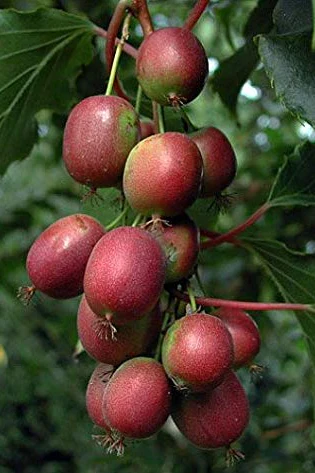
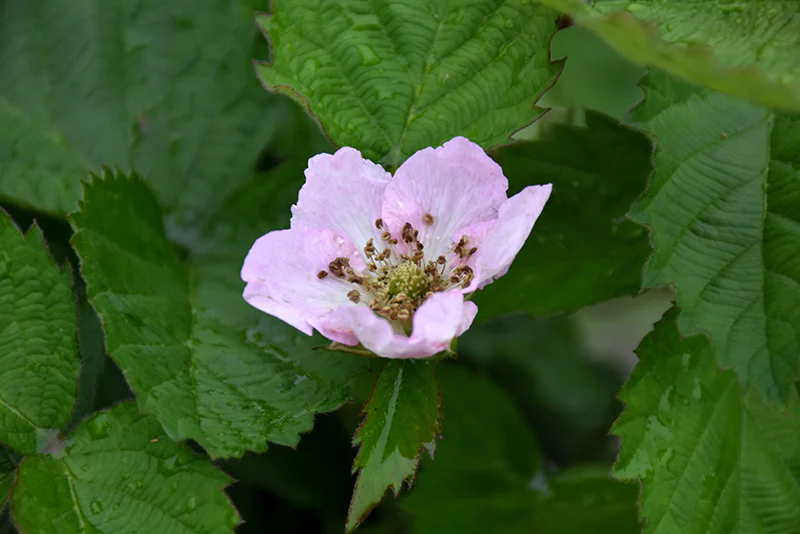
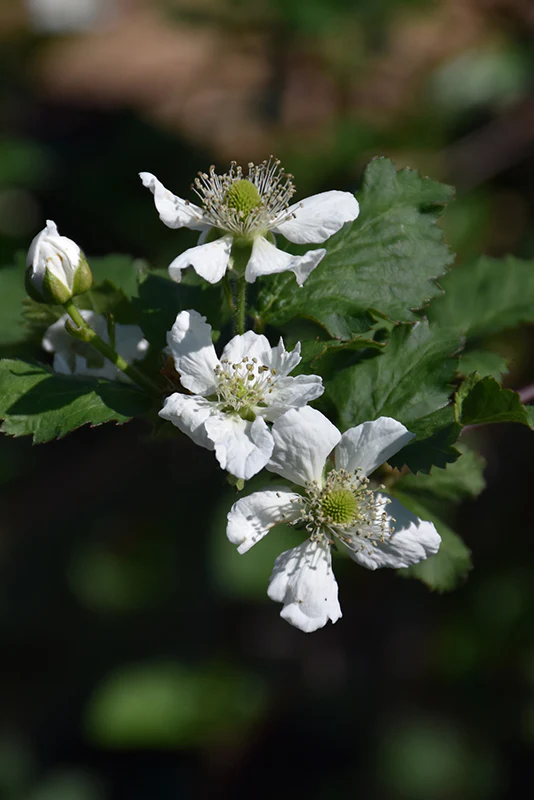
Loganberry is a thornless hybrid of the North American blackberry and European red raspberry, featuring elongated, dusky purple-red fruit when ripe. Its fragrant berries offer a pleasantly tart flavor that sweetens under full sun, ideal for fresh eating, preserves, or desserts. Each plant yields about 10 unruly canes that require support, as they neither trail nor stand upright. The apomictic flowers produce fruit and viable seeds without fertilization. Best grown in south, east, or west-facing locations, it resists drought but prefers shelter from wind. This plant also attracts bees, butterflies, and birds.
Loganberry is a thornless hybrid of the North American blackberry and European red raspberry, featuring elongated, dusky purple-red fruit when ripe. Its fragrant berries offer a pleasantly tart flavor that sweetens under full sun, ideal for fresh eating, preserves, or desserts. Each plant yields about 10 unruly canes that require support, as they neither trail nor stand upright. The apomictic flowers produce fruit and viable seeds without fertilization. Best grown in south, east, or west-facing locations, it resists drought but prefers shelter from wind. This plant also attracts bees, butterflies, and birds.
Original: $13.85
-70%$13.85
$4.15Description
Loganberry is a thornless hybrid of the North American blackberry and European red raspberry, featuring elongated, dusky purple-red fruit when ripe. Its fragrant berries offer a pleasantly tart flavor that sweetens under full sun, ideal for fresh eating, preserves, or desserts. Each plant yields about 10 unruly canes that require support, as they neither trail nor stand upright. The apomictic flowers produce fruit and viable seeds without fertilization. Best grown in south, east, or west-facing locations, it resists drought but prefers shelter from wind. This plant also attracts bees, butterflies, and birds.