Rosa pisocarpa
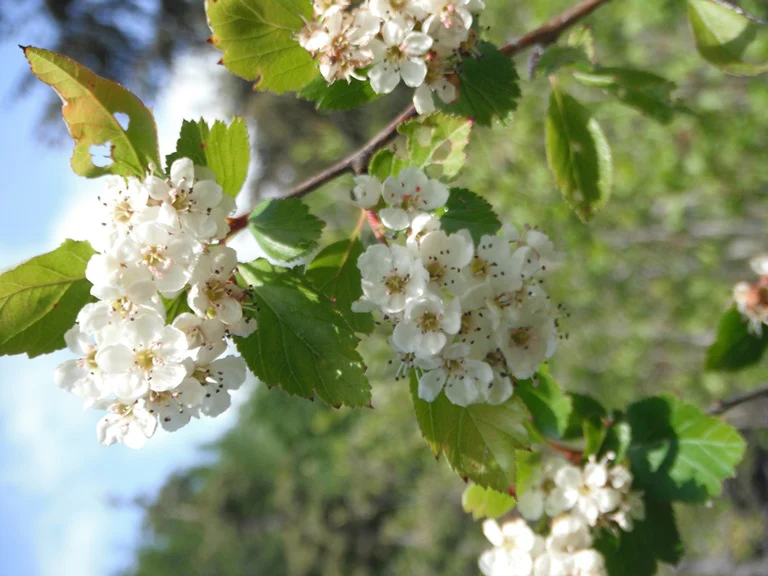
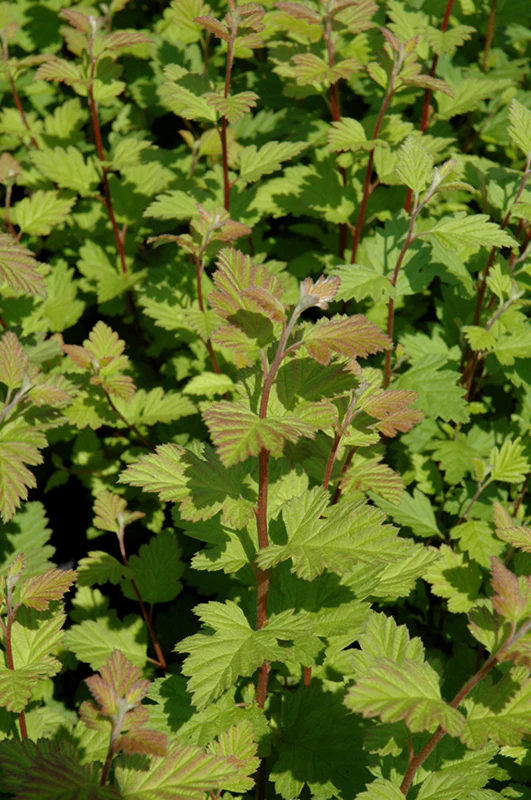
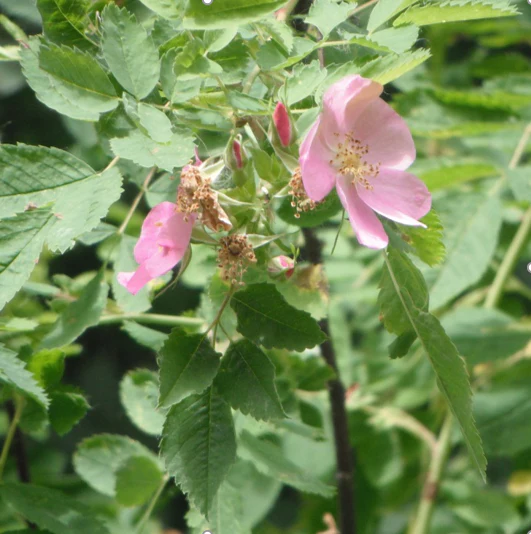
Rosa pisocarpa, commonly called Clustered Wild Rose, Cluster Rose, Peafruit Rose, or Swamp Rose, is a native shrub distinguished by delicate pink blooms typically arranged in small clusters of 2-10. The name pisocarpa refers to its distinctive pea-sized, round to pear-shaped hips that mature to purplish-red in early fall and persist through winter. Its stems feature variable prickles with smaller paired thorns at leaf bases, and foliage comprises 5-9 finely toothed, non-glandular leaflets. This vigorous species excels as a barrier plant, forming dense, impenetrable thickets while releasing fragrant blooms throughout coastal environments. Particularly valuable for erosion control and bank stabilization along streams and waterways. Flowers May through July.
Rosa pisocarpa, commonly called Clustered Wild Rose, Cluster Rose, Peafruit Rose, or Swamp Rose, is a native shrub distinguished by delicate pink blooms typically arranged in small clusters of 2-10. The name pisocarpa refers to its distinctive pea-sized, round to pear-shaped hips that mature to purplish-red in early fall and persist through winter. Its stems feature variable prickles with smaller paired thorns at leaf bases, and foliage comprises 5-9 finely toothed, non-glandular leaflets. This vigorous species excels as a barrier plant, forming dense, impenetrable thickets while releasing fragrant blooms throughout coastal environments. Particularly valuable for erosion control and bank stabilization along streams and waterways. Flowers May through July.
Original: $8.02
-70%$8.02
$2.41Description
Rosa pisocarpa, commonly called Clustered Wild Rose, Cluster Rose, Peafruit Rose, or Swamp Rose, is a native shrub distinguished by delicate pink blooms typically arranged in small clusters of 2-10. The name pisocarpa refers to its distinctive pea-sized, round to pear-shaped hips that mature to purplish-red in early fall and persist through winter. Its stems feature variable prickles with smaller paired thorns at leaf bases, and foliage comprises 5-9 finely toothed, non-glandular leaflets. This vigorous species excels as a barrier plant, forming dense, impenetrable thickets while releasing fragrant blooms throughout coastal environments. Particularly valuable for erosion control and bank stabilization along streams and waterways. Flowers May through July.