Feijoa/ Acca sellowiana 'Anatoki' (Pineapple Guava)
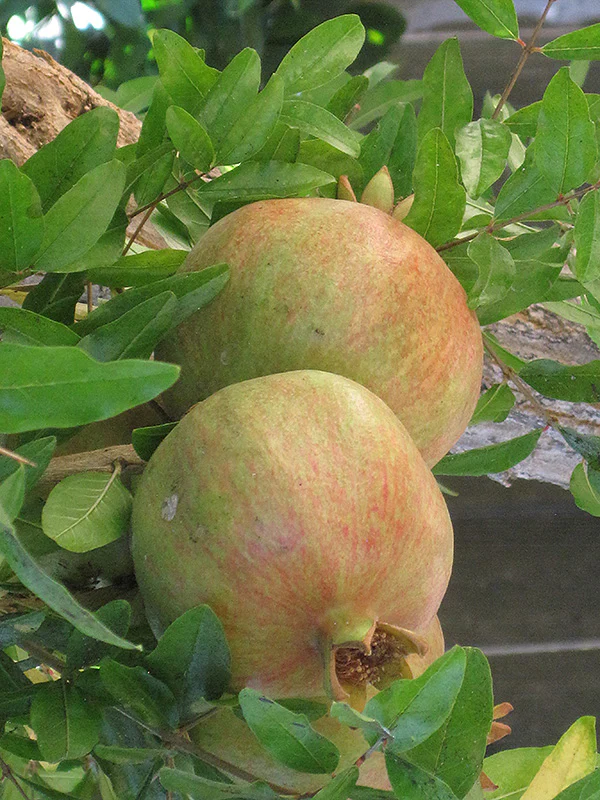
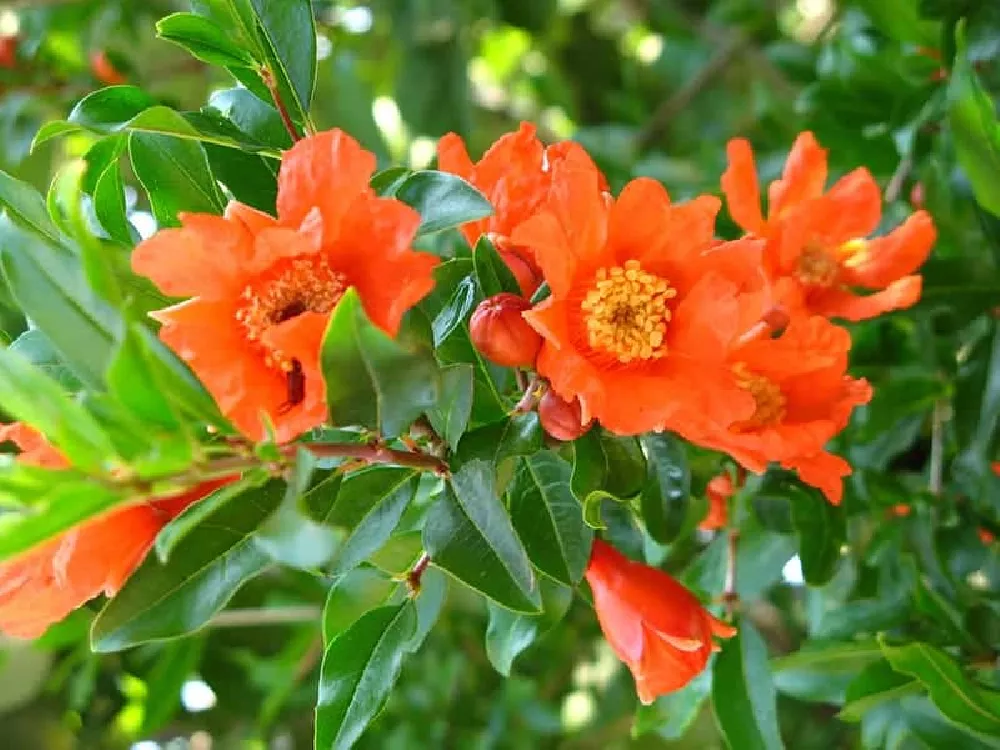
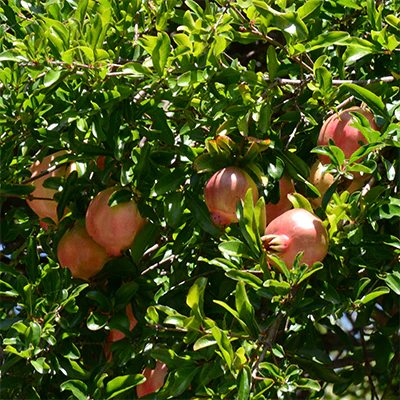
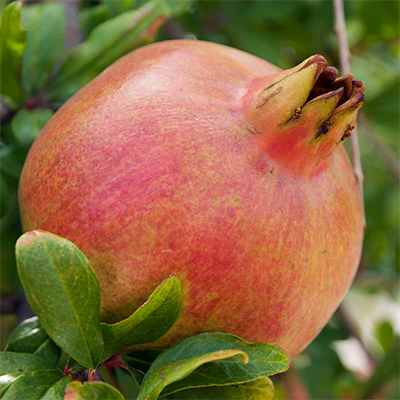
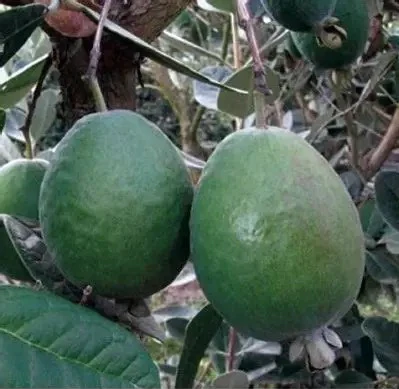
Anatoki Pineapple Guava is a charming, compact shrub or small tree featuring multi-branched growth and attractive gray-green evergreen leaves with white undersides. Its striking flowers, white with red highlights, have edible petals reminiscent of cotton candy. The subsequent fruit offers a unique blend of mint and pineapple flavors. This cultivar, bred in New Zealand, ripens early and produces large, exceptionally sweet fruit well-suited to our climate. It can be shaped as an espalier, hedge, or standalone specimen. While partially self-fertile, fruit yield improves with cross-pollination from another variety.
Anatoki Pineapple Guava is a charming, compact shrub or small tree featuring multi-branched growth and attractive gray-green evergreen leaves with white undersides. Its striking flowers, white with red highlights, have edible petals reminiscent of cotton candy. The subsequent fruit offers a unique blend of mint and pineapple flavors. This cultivar, bred in New Zealand, ripens early and produces large, exceptionally sweet fruit well-suited to our climate. It can be shaped as an espalier, hedge, or standalone specimen. While partially self-fertile, fruit yield improves with cross-pollination from another variety.
Original: $43.74
-70%$43.74
$13.12Description
Anatoki Pineapple Guava is a charming, compact shrub or small tree featuring multi-branched growth and attractive gray-green evergreen leaves with white undersides. Its striking flowers, white with red highlights, have edible petals reminiscent of cotton candy. The subsequent fruit offers a unique blend of mint and pineapple flavors. This cultivar, bred in New Zealand, ripens early and produces large, exceptionally sweet fruit well-suited to our climate. It can be shaped as an espalier, hedge, or standalone specimen. While partially self-fertile, fruit yield improves with cross-pollination from another variety.