Betula nigra (River Birch)
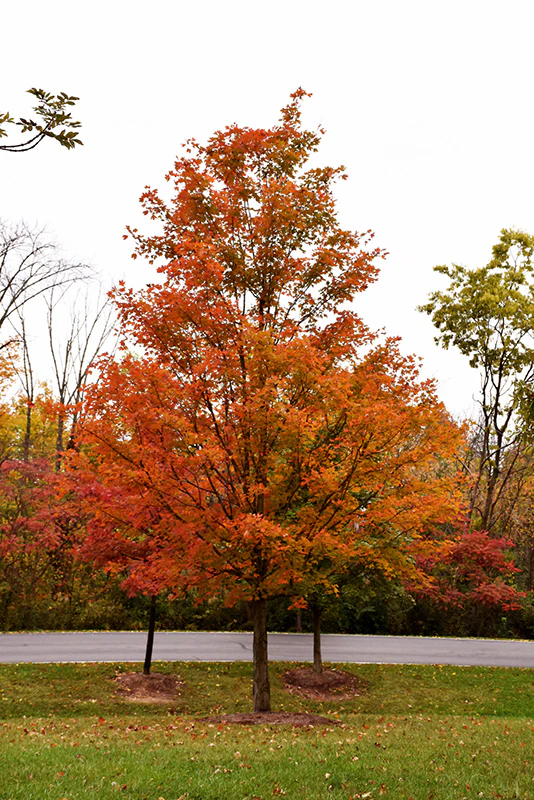
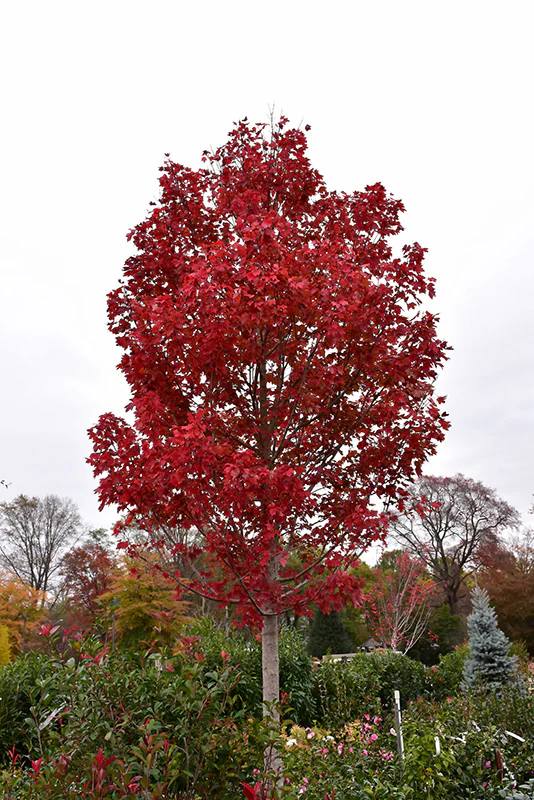
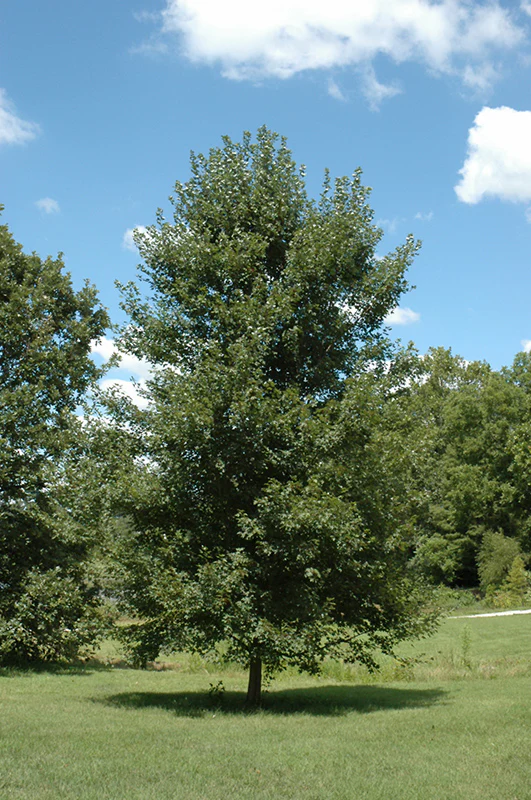
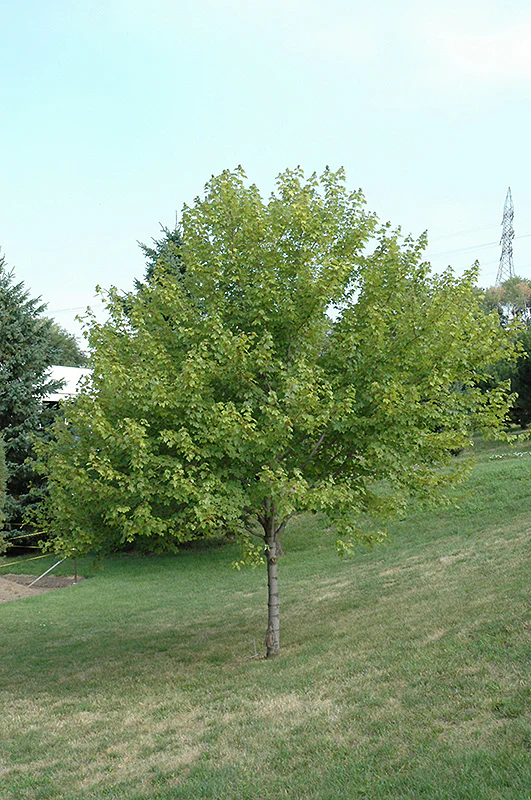
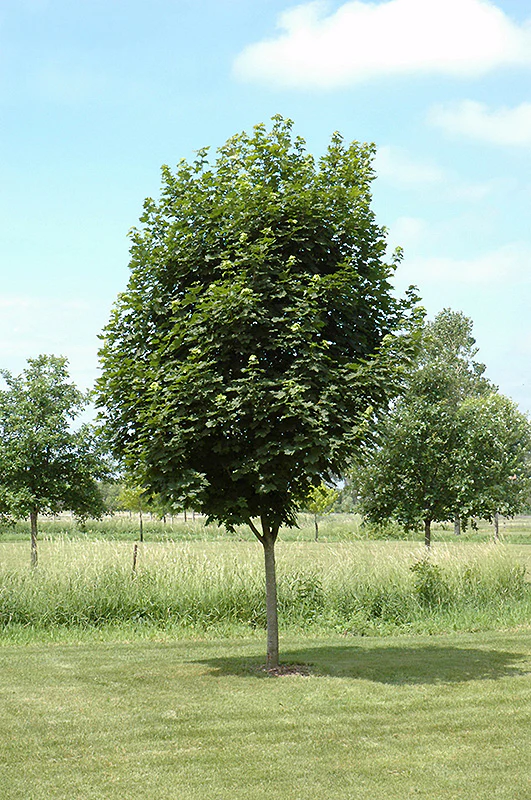
River Birch is a deciduous tree with a more or less rounded form. Its relatively fine texture sets it apart from other landscape plants with less refined foliage.
This is a relatively low maintenance tree, and should only be pruned in summer after the leaves have fully developed, as it may 'bleed' sap if pruned in late winter or early spring. It has no significant negative characteristics.
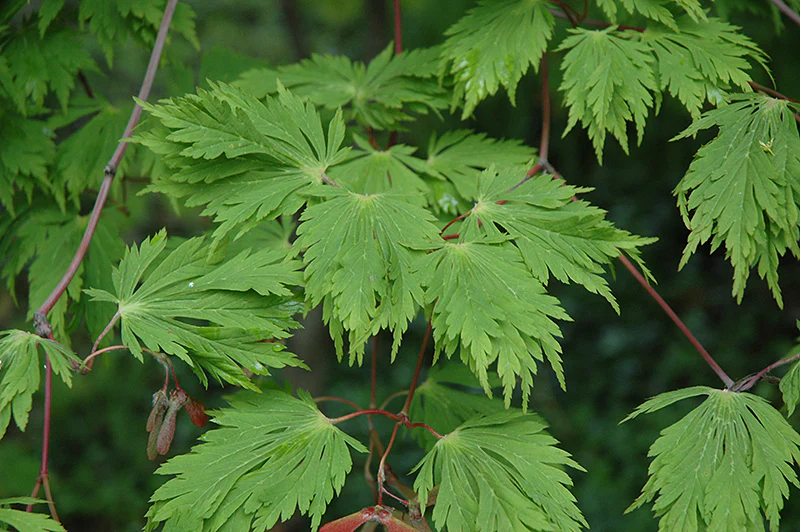
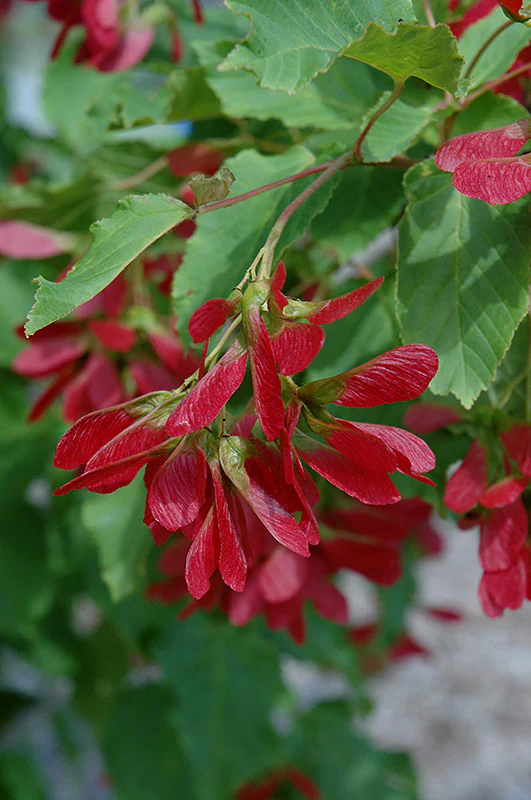
River Birch features subtle chartreuse catkins in early spring. It has dark green deciduous foliage. The pointy leaves turn an outstanding yellow in the fall. The peeling brown bark is extremely showy and adds significant winter interest.
River Birch will grow to be about 60 feet tall at maturity, with a spread of 45 feet. It has a low canopy with a typical clearance of 3 feet from the ground, and should not be planted underneath power lines. It grows at a fast rate, and under ideal conditions can be expected to live for 70 years or more.
This tree does best in full sun to partial shade. It is quite adaptable, preferring to grow in average to wet conditions, and will even tolerate some standing water. It is not particular as to soil type, but has a definite preference for acidic soils, and is subject to chlorosis (yellowing) of the foliage in alkaline soils. It is highly tolerant of urban pollution and will even thrive in inner city environments. Consider applying a thick mulch around the root zone in winter to protect it in exposed locations or colder microclimates. This species is native to parts of North America.
River Birch is a deciduous tree with a more or less rounded form. Its relatively fine texture sets it apart from other landscape plants with less refined foliage.
This is a relatively low maintenance tree, and should only be pruned in summer after the leaves have fully developed, as it may 'bleed' sap if pruned in late winter or early spring. It has no significant negative characteristics.
River Birch features subtle chartreuse catkins in early spring. It has dark green deciduous foliage. The pointy leaves turn an outstanding yellow in the fall. The peeling brown bark is extremely showy and adds significant winter interest.
River Birch will grow to be about 60 feet tall at maturity, with a spread of 45 feet. It has a low canopy with a typical clearance of 3 feet from the ground, and should not be planted underneath power lines. It grows at a fast rate, and under ideal conditions can be expected to live for 70 years or more.
This tree does best in full sun to partial shade. It is quite adaptable, preferring to grow in average to wet conditions, and will even tolerate some standing water. It is not particular as to soil type, but has a definite preference for acidic soils, and is subject to chlorosis (yellowing) of the foliage in alkaline soils. It is highly tolerant of urban pollution and will even thrive in inner city environments. Consider applying a thick mulch around the root zone in winter to protect it in exposed locations or colder microclimates. This species is native to parts of North America.
Description
River Birch is a deciduous tree with a more or less rounded form. Its relatively fine texture sets it apart from other landscape plants with less refined foliage.
This is a relatively low maintenance tree, and should only be pruned in summer after the leaves have fully developed, as it may 'bleed' sap if pruned in late winter or early spring. It has no significant negative characteristics.
River Birch features subtle chartreuse catkins in early spring. It has dark green deciduous foliage. The pointy leaves turn an outstanding yellow in the fall. The peeling brown bark is extremely showy and adds significant winter interest.
River Birch will grow to be about 60 feet tall at maturity, with a spread of 45 feet. It has a low canopy with a typical clearance of 3 feet from the ground, and should not be planted underneath power lines. It grows at a fast rate, and under ideal conditions can be expected to live for 70 years or more.
This tree does best in full sun to partial shade. It is quite adaptable, preferring to grow in average to wet conditions, and will even tolerate some standing water. It is not particular as to soil type, but has a definite preference for acidic soils, and is subject to chlorosis (yellowing) of the foliage in alkaline soils. It is highly tolerant of urban pollution and will even thrive in inner city environments. Consider applying a thick mulch around the root zone in winter to protect it in exposed locations or colder microclimates. This species is native to parts of North America.